19th Annual Workshop

Australia New Zealand Workshop
in Experimental Economics

ANZWEE 2026 — Dunedin, New Zealand

Date
16–17 November 2026
Venue
Otago Business School, Dunedin
Submissions
Closed — programme published
Please note: ANZWEE 2026 has moved to Dunedin, and the dates are now confirmed. The workshop will be held at the Otago Business School on the University of Otago's Dunedin campus — not in Queenstown as originally advertised — on Monday 16 and Tuesday 17 November 2026. Travel and accommodation can now be booked with confidence.

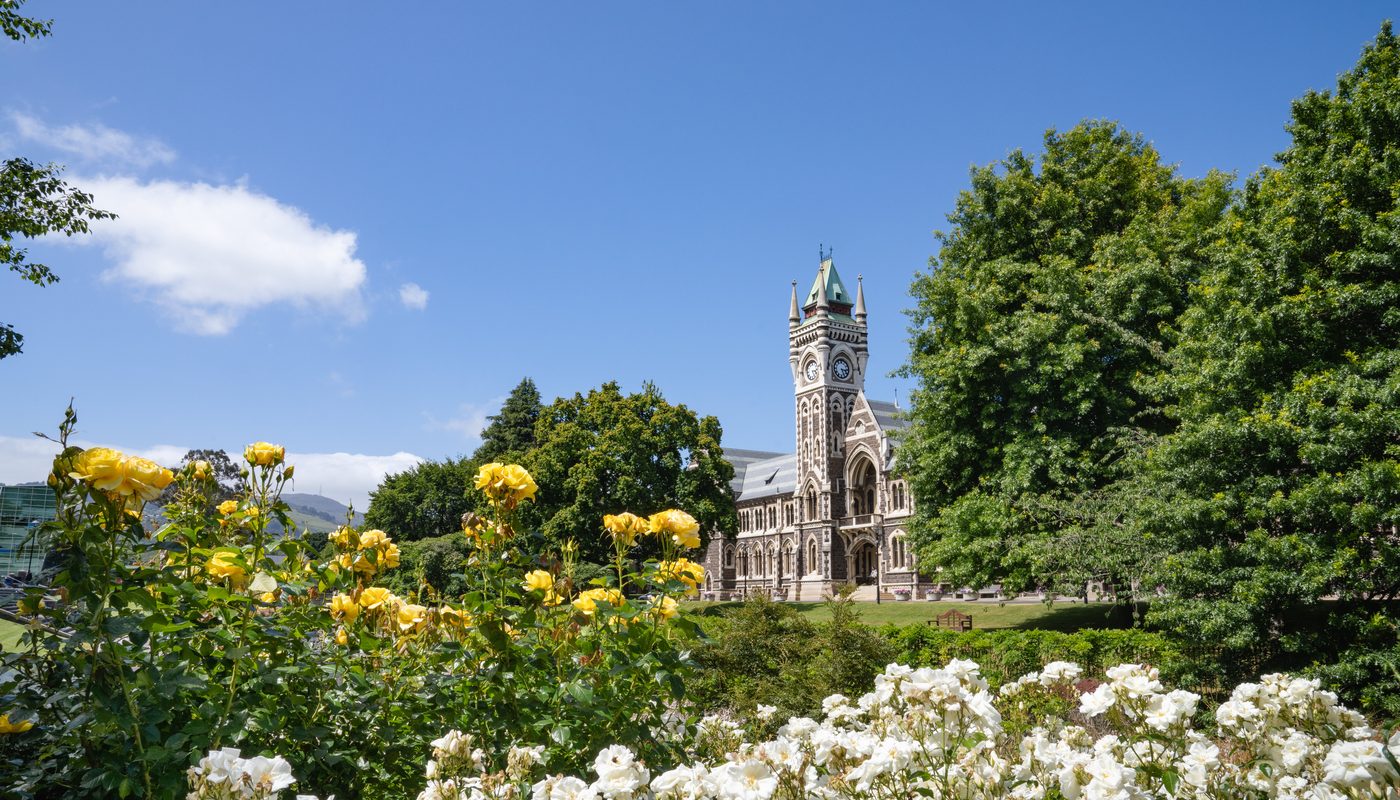
ANZWEE 2026 is hosted by the Department of Economics in the Otago Business School at the University of Otago — Ōtākou Whakaihu Waka. Founded in 1869, Otago is New Zealand's oldest university.
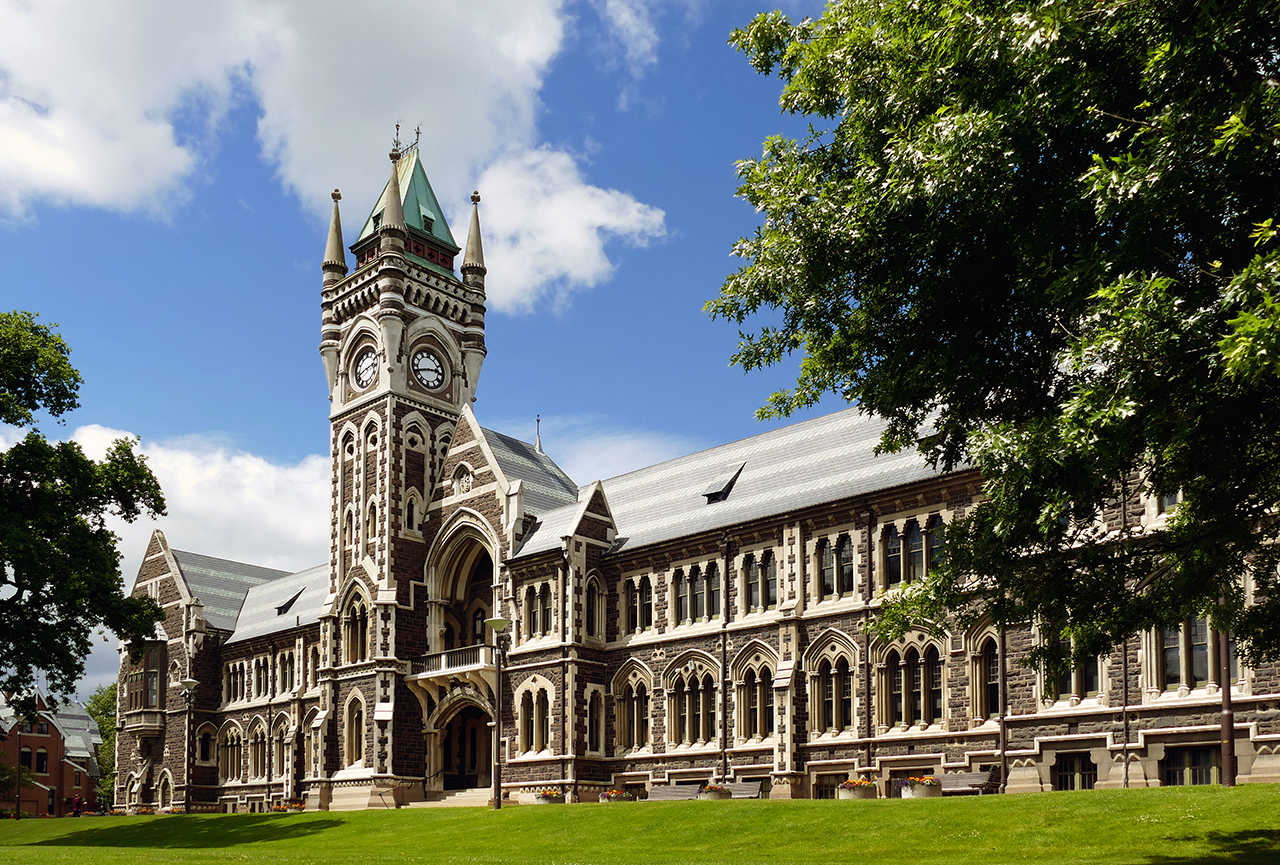
The University of Otago Clocktower building in Dunedin, New Zealand
The University of Otago Clocktower, Dunedin

What is ANZWEE?

The annual Australia New Zealand Workshop on Experimental Economics (ANZWEE) aims to provide researchers interested in experimental and behavioural economics with an opportunity to present their latest research, receive constructive feedback in an informal environment, and network with other researchers.

ANZWEE 2026 is the 19th edition of the workshop, held in Dunedin and hosted by the Department of Economics in the University of Otago's Otago Business School. We welcome submissions from researchers at all career stages working in experimental and behavioural economics.

Key Dates

Submission Deadline
14 September 2026
Now closed
Workshop Day 1
Monday 16 Nov 2026
Sessions + workshop dinner
Workshop Day 2
Tuesday 17 Nov 2026
Sessions

Programme

The workshop runs across two rooms in parallel on Monday 16 and Tuesday 17 November 2026, with 41 papers in fifteen themed sessions and a keynote each afternoon. Each paper has 17 minutes to present and 3 for comments. All presenters are invited to the workshop dinner at Ombrellos on the Monday evening, and lunch is provided for presenters on both days.

Draft programme, 9 October 2026 — subject to change. Session chairs are still to be confirmed, and papers may move between sessions. A printable copy is available as a PDF (4 pages).
Room ARoom BRooms to be confirmed

Monday 16 November

Day 1 · workshop dinner in the evening
08:3009:15
Registration & coffee from 08:30 · Welcome at 09:00
09:1510:15Sessions I

Room ACharitable Giving

  1. Maroš Servátka (Macquarie) — Coordination in altruistic markets with imperfect substitutes
  2. Stephen Knowles (Otago) — Do very short deadlines increase donations to charity?
  3. Shusaku Sasaki (Osaka) — Overhead aversion, overhead-free appeals, and complementary information

Room BBelief Updating

  1. Shenao Dong (Monash) — Overinference and underinference from aggregating multiple signals
  2. Wanying (Kate) Huang (Monash) — Belief uncertainty
  3. Yuet Lyu (Monash) — The role of uncertainty about future losses in wishful thinking
10:1510:45
Morning tea
10:4511:45Sessions II

Room ASocial Norms & Motives

  1. Robert Hoffmann (Tasmania) — Why people give: developing a scale of charitable giving motives
  2. Uzma Afzal (RMIT) — The arranged marriage norm and the norms governing its enforcement

Room BComplexity & Choice Quality

  1. Changfa Fu (Melbourne) — How labels obfuscate information and distort choices
  2. Michelle Lee (Melbourne) — Complexity undermines resource allocation
  3. Ziyan Xu (Zhejiang / Melbourne) — How discounts impact choice quality: complexity and salience
12:0013:00
Lunch — presenters
13:3014:30
PlenaryKeynote I — Arthur Robson (Simon Fraser University)
14:4515:15
Afternoon tea
15:1516:15Sessions III

Room AGender & Careers

  1. Yee Wah Lisa Chan (Sydney) — Gender differences in delegating wage negotiation
  2. Emily Tran (Melbourne) — Gender gaps in persistence: real or perceived?
  3. Maria Recalde (Melbourne) — Misattribution: how work assignments affect evaluation and advancement

Room BBounded Rationality & Imprecision

  1. Daniel Woods (Macquarie) — Breaking down bandits: an experimental decomposition
  2. David Butler (Griffith) — Imprecise preferences and beliefs in simple games
  3. Lucca Buonamano (UTS) — Can preferences predict non-strategic behaviour in games?
16:3017:30Sessions IV

Room ATeams, Public Goods & Cooperation

  1. Yichen Guo (RMIT) — Competitive bonuses and public good production
  2. Nisvan Erkal (Melbourne) — Information provision with milestones in teamwork
  3. Bhagya Gunawardena (RMIT) — Learning from peers: ability-based grouping and incentives

Room BRisk & Gambling

  1. Stephen Cheung (Sydney) — Reframing losses disguised as wins in electronic gambling machines
  2. Ralph-C Bayer (Adelaide) — Do people gamble more if they can cash out?
  3. Keaton Ellis (Monash) — Should I state or should I show? Aligning AI with human preferences
18:30
Workshop dinner — Ombrellos, 10 Clarendon St (presenters)

Tuesday 17 November

Day 2 · closes 17:15
09:1510:15Sessions V

Room AMatching & Market Design

  1. Gloria Yifan Chen (Melbourne) — When words move rankings: strategic messaging in matching markets
  2. Siqi Pan (Melbourne) — Matching by characteristics
  3. Jiachen He (Monash) — When verification crowds out disclosure

Room BInformation, Attention & Automation

  1. Boon Han Koh (Exeter) — Beyond the win: luck and its influence on feedback-seeking
  2. Jason Tayawa (UNSW) — Paying too much attention: theory and evidence
  3. Valentyn Panchenko (UNSW) — Automation as commitment: information, correlation, and adoption
10:1510:45
Morning tea
10:4511:45Sessions VI

Room AVoting & Political Economy

  1. Marco Faravelli (Queensland) — The devil you know: how status quo bias can influence elections
  2. Pablo Guillen (Sydney) — Communication bubbles in a polarized social dilemma

Room BTime Preferences & Self-Control

  1. Elif Incekara Hafalir (UTS) — Expectations and patience: a within-subject investigation
  2. Zhongwen Chen (Monash) — Managing screen time: feedback and (soft-)commitment
  3. Anthony van den Berg (Melbourne) — Goal setting and observability
12:0013:00
Lunch — presenters
13:1514:15Sessions VII

Room AMarkets, Experts & Consumers

  1. Lana Friesen (Queensland) — An experimental comparison of cap- and intensity-based pollution markets
  2. Adithya Krishna (Macquarie) — Information asymmetry and multiple experts: a credence goods experiment
  3. Barry Wong (EIT) — NZ consumer acceptance and preferences for no- and low-alcohol wines
14:1514:45
Afternoon tea
14:4515:45Sessions VIII

Room AField Experiments in Health & Education

  1. Huan Wang (RMIT) — Self protection for children’s sake
  2. Luthfi Balbeid (Monash) — Beyond moving pictures: interactivity in learning economics

Room BMethods

  1. Michele Garagnani (Melbourne) — Using response times to reveal group preferences in surveys
  2. Thomas Pfeiffer (Massey) — Accuracy of replication forecasts for DARPA’s SCORE project
16:0017:00
PlenaryKeynote II — Vera te Velde (University of Queensland)
17:0017:15
Closing

Pre-Workshop Social Activities

With the workshop moving to Dunedin, the previously advertised Central Otago activities (the Rob Roy Glacier hike and Gibbston Valley wine tasting) will no longer run. We may organise optional social activities in and around Dunedin once the new dates and programme are confirmed — any plans will be posted here and circulated to registered participants.

Venue

  • VenueOtago Business School
  • CampusUniversity of Otago, Dunedin Campus
  • CityDunedin, New Zealand
  • Workshop16–17 November 2026
Accommodation & Travel: Note that the workshop has moved from Queenstown to the University of Otago's Dunedin campus. Information on recommended accommodation and travel options in Dunedin will be added here shortly.
The University of Otago Registry clocktower building seen across the campus rose gardens in summer

Discover Dunedin

Dunedin — Ōtepoti — sits at the head of a long harbour on New Zealand's southeast coast, with the University at its centre and wild coastline a short drive away. If you are able to extend your stay, there is a great deal worth seeing within half an hour of campus.
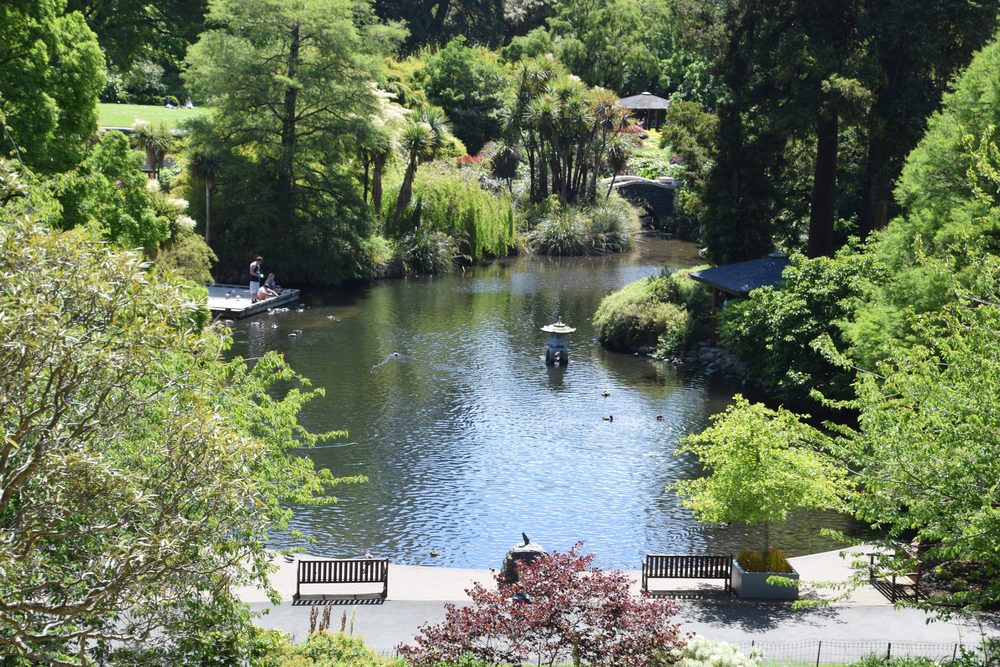
The pond and surrounding trees at Dunedin Botanic Garden on a sunny day
Dunedin Botanic Garden

New Zealand's oldest botanic garden, founded in 1863, and a ten-minute walk from campus. Twenty-eight hectares of rose gardens, native bush, an aviary and a rhododendron dell.
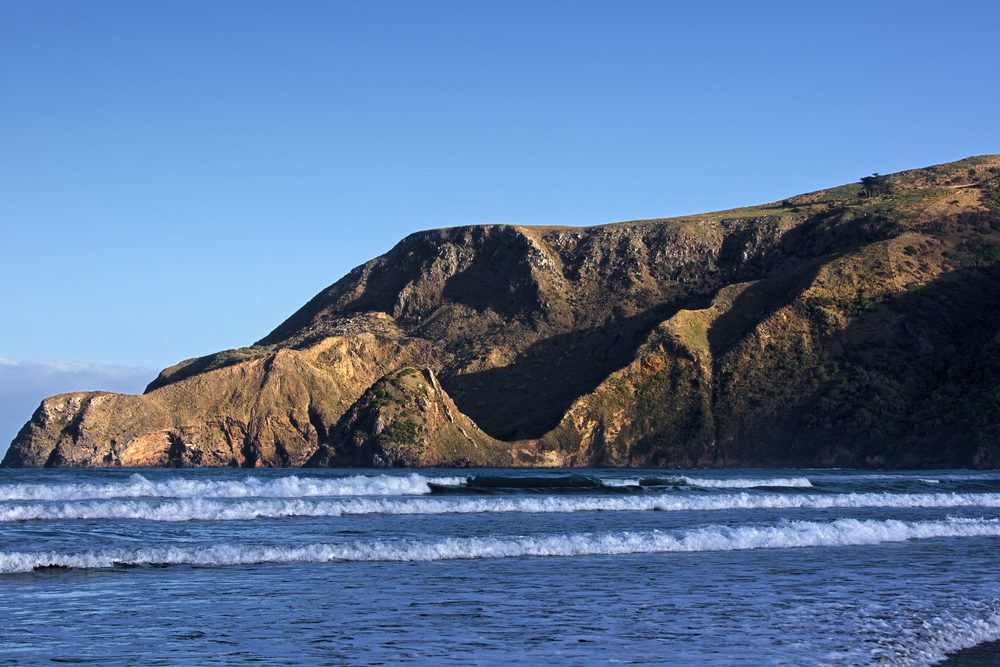
Steep cliffs and breaking surf along the coastline at Sandymount, Otago Peninsula
Otago Peninsula

A volcanic finger of land reaching into the Pacific, known for albatross, sea lions and yellow-eyed penguins, plus dramatic clifftop walks at Sandymount and Lovers Leap.
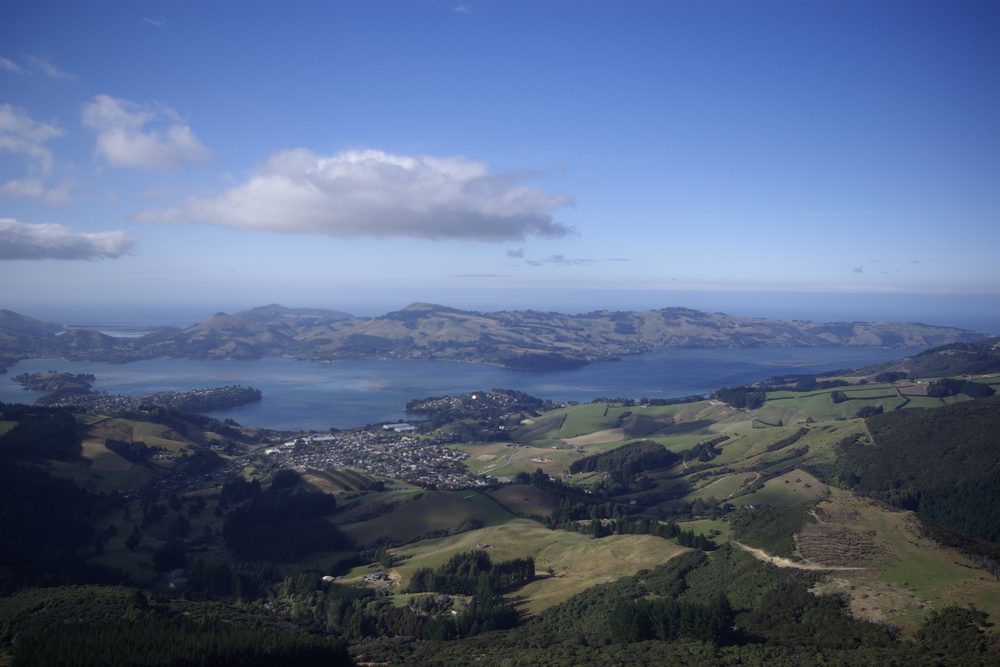
View across Otago Harbour towards the Otago Peninsula from the hills above Port Chalmers
Otago Harbour

The harbour runs 20 km from the city out to Taiaroa Head. The road along either shore makes for a memorable drive, with Port Chalmers and its cafés partway along.
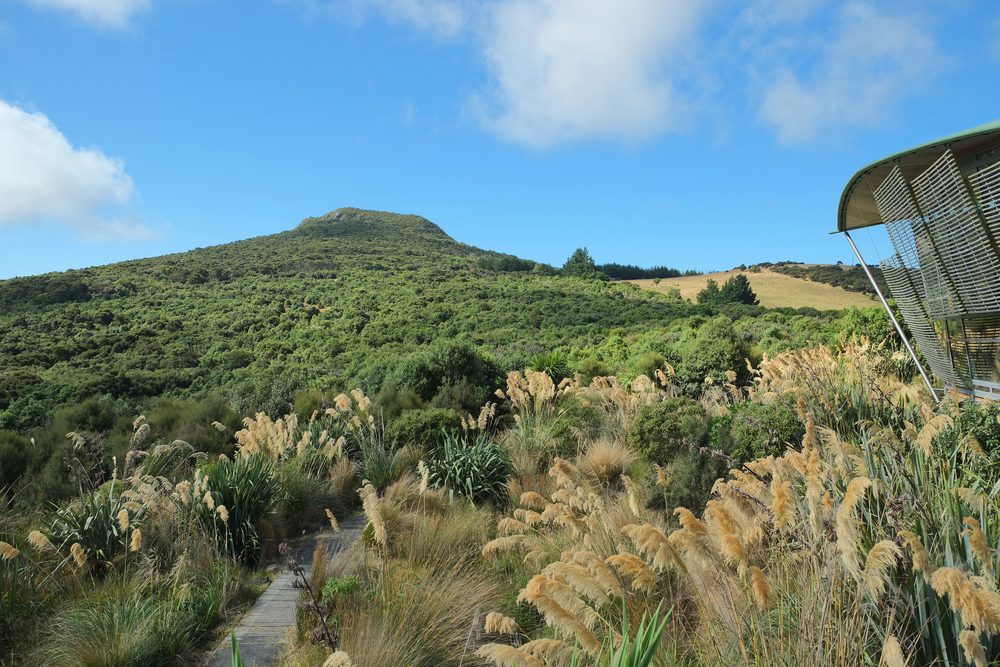
Native bush covering the hills of Orokonui Ecosanctuary near Dunedin
Orokonui Ecosanctuary

A 307-hectare valley of coastal Otago forest 20 km north of the city, ringed by a 9 km predator-resistant fence. Home to takahē, kākā, kiwi, tuatara and Otago skinks.
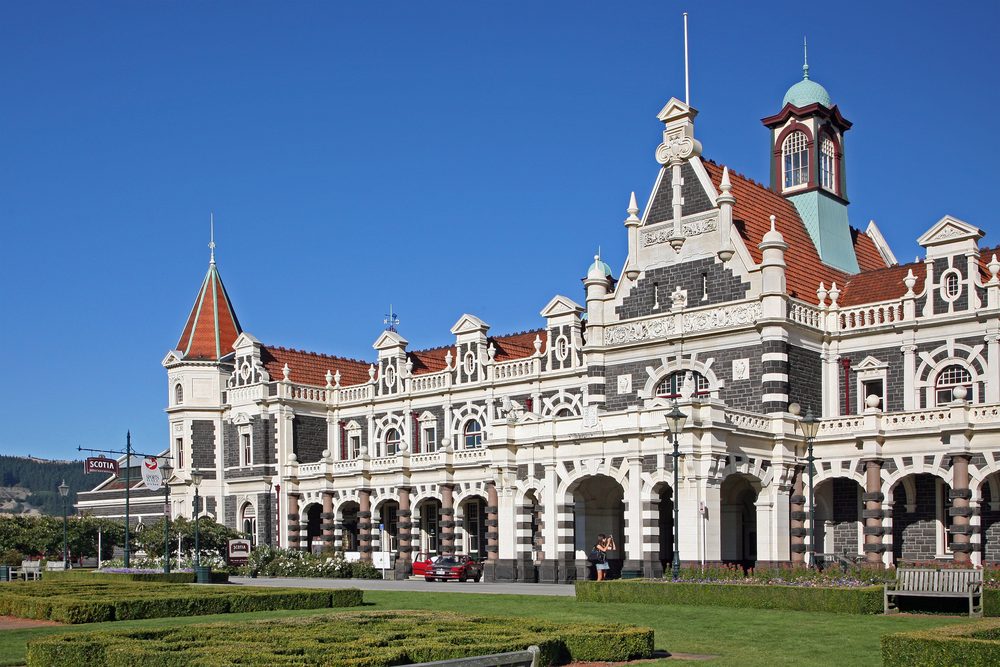
The Flemish Renaissance facade of Dunedin Railway Station with its gardens in the foreground
Dunedin Railway Station

George Troup's Flemish Renaissance landmark of 1906 — the extravagance of which earned him the nickname “Gingerbread George” — and among the most photographed buildings in New Zealand.
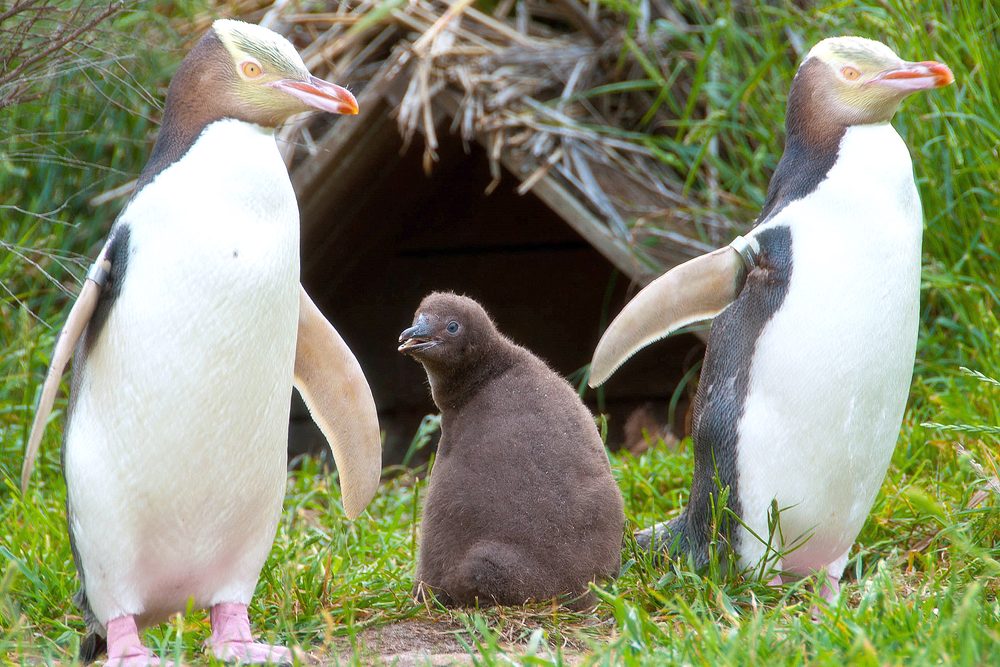
A pair of yellow-eyed penguins with a chick beside a nest box on the Otago Peninsula
OPERA Tours

The Otago Peninsula Eco Restoration Alliance — formerly Penguin Place — runs guided tours of its reserve for the endangered yellow-eyed penguin, hoiho. Tour fees fund the conservation work.

Attendance & Registration

ANZWEE 2026 will be held in-person only. There is no workshop fee for ANZWEE 2026. However, we request all participants — including non-presenters — to register to confirm their attendance.

Register as Attendee

Submissions Are Closed

The call for papers closed on Monday 14 September 2026 and the review of abstracts is complete. Thank you to everyone who submitted. Accepted papers appear in the draft programme; presenters have been notified by email.

Attendance is still open, and free: if you would like to come without presenting, please register so we can plan numbers.

Register to Attend

All attendees — whether presenting or not — are asked to register so we can plan numbers. Registration is free. Please indicate whether you plan to attend the reception and dinner on Monday 16 November, and note any dietary requirements.

Organisers

ANZWEE 2026 is organised by a team from the University of Otago and Macquarie University.

Austin Henderson
Department of Economics
University of Otago
Stephen Knowles
Department of Economics
University of Otago
Ronald Peeters
Department of Economics
University of Otago
Maroš Servátka
Department of Economics
Macquarie University

For enquiries, contact us at [email protected]